Business Talent Management: Guide and Best Practices
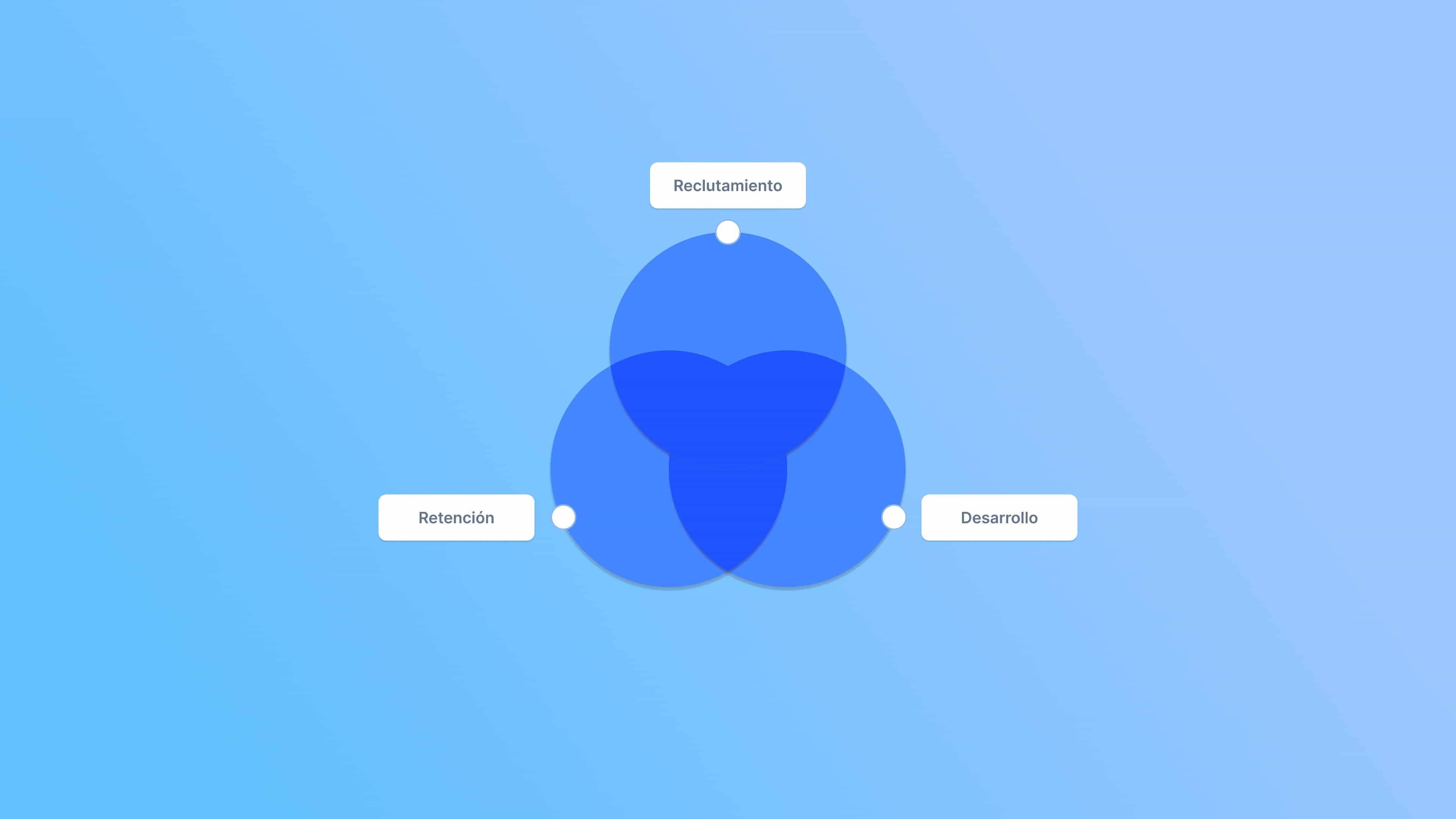
Business talent management is an essential component for the success and sustainable growth of any organization. In an increasingly competitive job market, retaining and developing the right talent has become a priority for companies looking to stay relevant and achieve their long-term business objectives.
What is business talent management? Why is it essential?
Business talent management refers to the set of processes and practices designed to recruit, retain, develop, and motivate employees within an organization. It goes beyond simply hiring and paying salaries, involving comprehensive strategies to identify, cultivate, and leverage each individual's potential.
We recommend reading: Talent and Culture: Why is it important to align them?
Key steps for effective management
- Strategic recruitment: involves identifying the company's specific talent needs and attracting candidates who not only possess the technical skills required, but also align with the organizational culture and values. To achieve this, it is crucial to develop detailed job profiles, utilize multiple recruitment channels, and establish a strong employer brand that attracts the right candidates.
- Professional development: is essential for driving talent growth and retention. This involves providing employees with opportunities for growth and learning continuous through training programs, mentorship, and challenging project assignments. By investing in employee skill development, not only is their individual performance improved, but the organization's overall ability to achieve its goals is also strengthened.
- Performance Management: is a continuous process that involves setting clear expectations, providing regular feedback, and recognizing employee achievements. This not only helps keep employees focused and motivated, but also provides the opportunity to address any areas for improvement in a timely manner. By setting clear and measurable goals, performance evaluation is facilitated and aperformance-based work environment is fostered.
- Talent Retention: is essential to prevent the loss of valuable employees and costly staff turnover. To do this, it's important to implement policies and programs that foster loyalty and satisfaction among employees. This can include competitive benefits, a positive work environment, professional advancement opportunities, and a healthy work-life balance. By creating an environment where employees feel valued and engaged, long-term retention is promoted, contributing to the organization's sustainable success.

Technological tools to optimize it
In the digital age, the use of technological tools can simplify and enhance business talent management. From applicant tracking systems to performance management platforms, these tools enable organizations to automate processes, collect important data, and make informed decisions about their human talent.
You might be interested in: 360-Degree Feedback for Talent Development
Developing a culture that promotes talent
A strong, talent-oriented business culture is a key factor in attracting and retaining top professionals. Fostering collaboration, diversity, and creativity in the workplace can drive innovation and excellence, inspiring employees to reach their full potential. The following questions will help you identify if it's necessary to make changes in your talent management strategy:
- Does everyone in the organization clearly understand what is (and isn't) important for success? Can you see this reflected in decision-making?
- Would you like your teams to have greater autonomy and focus?
- Would you say there's an alignment that allows for setting priorities? Is there a balance between process quality and speed?
- Can you identify the obstacles limiting business growth? Is this done proactively?
- Is it easy to attract talent that contributes significantly to development and success?
- Are quality conversations held that provide specific feedback on situations and behaviors? Do you have visibility into these conversations?
The Future of Talent Management
As the business environment evolves, so do talent management practices. Emerging trends, such as remote work, Artificial Intelligence, and a focus on employee well-being, are shaping the future of talent management, and lOrganizations must adapt to remain competitive in a constantly changing job market. In conclusion, effective business talent management is essential for driving growth and innovation in any organization. By implementing robust strategies and practices, leveraging appropriate technological tools, and fostering a talent-centric organizational culture, companies can create an environment where employees thrive and contribute to long-term success. Here's how organizations drive effective talent management, which is fundamental for the future:
- Foster team growth, adapting to their personal goals and business needs.
- Improve performance reviews and feedback processes to ensure continuous development and the right direction for talent.
- Provide support, training, and AI-powered guidance and tools to managers to effectively lead team management.
- Drive action plans through frequent and effective conversations to maximize the potential of each team member.






























































































.svg)
.svg)
.svg)

