Workplace Skills: What They Are and the Top 10 Most In-Demand in Today's Market

Workplace skills are no longer just a "plus" but have become a genuine competitive advantage. And we're not just talking about knowing how to use Excel or speak English. We're talking about those competencies that differentiate between a professional who simply meets expectations... and one who drives the team towards new achievements.In this article, we will delve into what workplace skills are exactly, why they have become a strategic focus for Human Resources, and what the 10 most in-demand skills are today for companies in Spain. If you work in talent management, training, or recruitment, this guide is for you.
What are workplace skills?
Workplace skills —also known as professional or job competencies— are the set of knowledge, abilities, attitudes, and behaviors that enable an individual to perform effectively in their job.These skills are generally divided into two main categories:
- Technical skills (hard skills): These are specific, quantifiable proficiencies acquired through training, experience, or specialized education. Common examples include software usage, language proficiency, laboratory techniques, or programming.
- Soft skills (soft skills): These refer to interpersonal and behavioral competencies, such as communication, teamwork ability, or time management. Although more difficult to measure, these skills are fundamental for adaptation and success in any work environment.
Both categories are complementary and necessary to maximize professional performance and employability. The effective integration of technical and soft skills allows individuals not only to perform specific tasks but also to interact appropriately, make decisions, and solve problems in changing contexts. The problem is that many companies continue to focus solely on evaluating experience or technical knowledge, without adequately measuring the skills that truly predict performance and team collaboration. And that's where HR leaders can make a difference.
Why are workplace skills key to HR strategy?
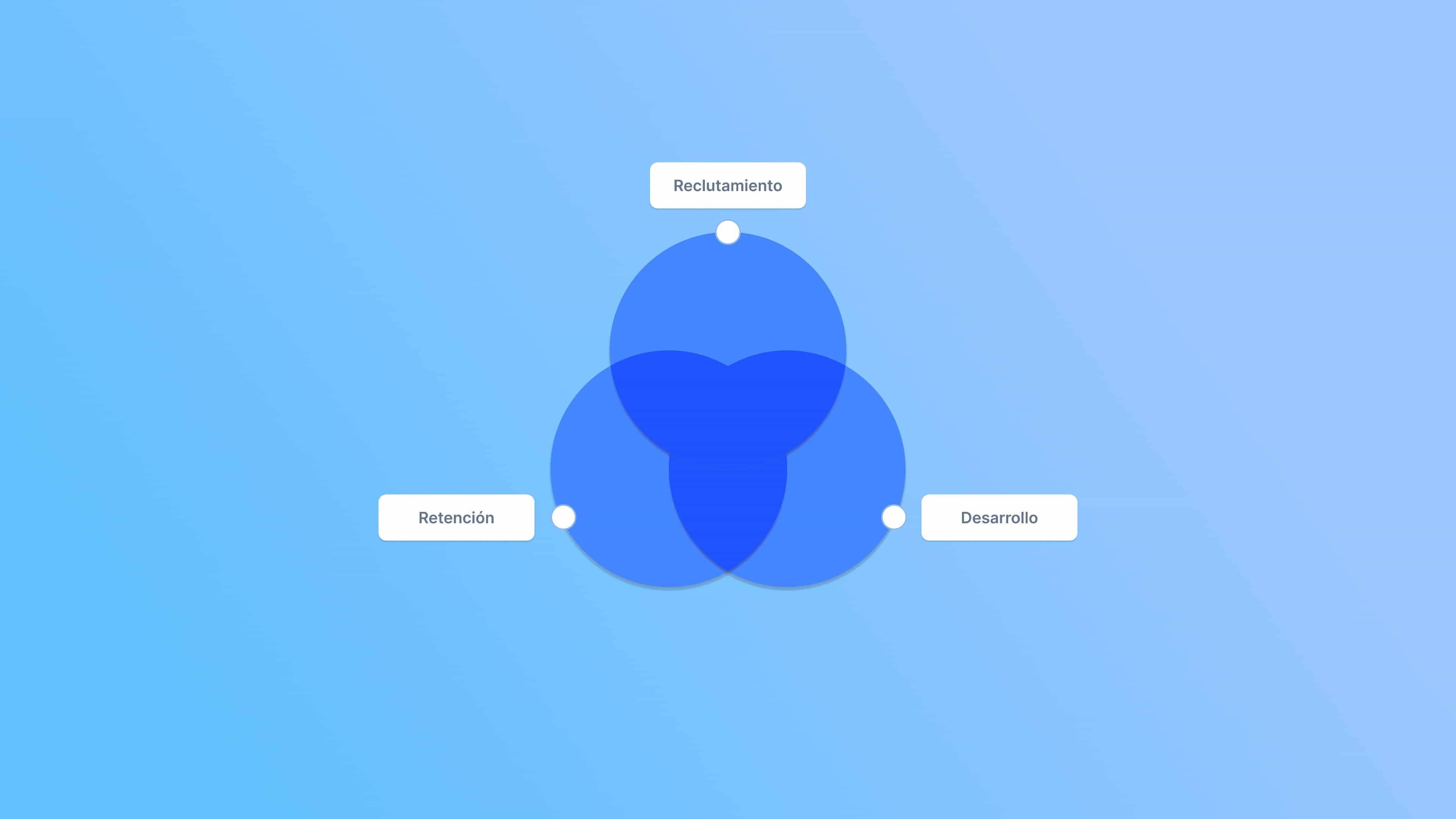
In the post-COVID era, with hybrid models, increasing automation, and changing professional expectations, Human Resources departments face a new challenge: identifying, developing, and retaining talent with the most relevant workplace skills for the business.A recent World Economic Forum study revealed that by 2025, 50% of all employees will need to reskill due to the evolution of job functions driven by technology. This is not a futuristic prediction; it's an urgent reality.Furthermore, according to LinkedIn (Global Talent Trends Report 2024), soft skills account for 89% of hiring failures. In other words, we don't fail to hire because someone doesn't know Java or SAP, but because they lack teamwork, conflict resolution, or adaptability skills.For Human Resources, workplace skills are no longer a decorative list in a job description: they are the backbone of an effective strategy for attracting, evaluating, developing, and retaining talent.
Types of Workplace Skills: Beyond "Hard vs. Soft"
While the classic classification between hard skills and soft skills remains useful, a more holistic approach is increasingly prevalent. Today, we also talk about:
- Skills digital: essential for operating in technological environments. E.g., digital literacy, use of collaborative tools, data analytics.
- Cognitive skills: such as critical thinking, decision-making, creativity, or continuous learning ability.
- Social and emotional skills: such as empathy, emotional intelligence, leadership, or conflict management.
- Adaptive skills: resilience, tolerance for uncertainty, and agile learning ability (learning agility).
The important thing is not to pigeonhole, but to know which skills are critical for each role, at each stage of the employee lifecycle, and in each organizational context.
The 10 most in-demand job skills
Below, we tell you which are the ten most sought-after professional competencies by companies in 2025, based on market analysis, HR consulting firm reports, and global trends:
1. Effective Communication
The ability to express ideas clearly, both orally and in writing, is crucial for facilitating collaboration and decision-making. Knowing how to express ideas clearly, adapt to the interlocutor, listen actively, and provide constructive feedback are key for any role, especially in remote or hybrid work.
2. Teamwork
Collaborating with others, respecting diverse opinions, and contributing to common goals is an indispensable skill for modern organizational environments. Although it may seem obvious, it remains one of the most difficult competencies to find. Collaborating, contributing to the group, taking on flexible roles... is more important than ever.
3. Problem Solving
It involves identifying and analyzing complex problems, developing creative solutions, and implementing them effectively, while maintaining objectivity and critical thinking.
4. Adaptability
The ability to quickly adjust to technological, organizational, or market changes ensures professional continuity and success in uncertain and dynamic environments. With increasingly intense VUCA environments, the capacity to adapt quickly and maintain productivity during times of transformation is one of the most sought-after skills.
5. Leadership
It's not just about giving orders, but about influencing, inspiring, empowering, and bringing out the best in each person. Increasingly, distributed leadership and the ability to motivate, guide, and coordinate teams towards specific goals, fostering a positive work environment that is positive and performance-oriented.
6. Time Management and Organization
The ability to prioritize, plan tasks, avoid distractions, and achieve goals is highly valued, especially in environments where impact is measured, not just time spent. Planning and prioritizing tasks, optimizing resources, and meeting deadlines are essential competencies for maintaining productivity and avoiding stress.
7. Emotional intelligence
Recognizing, understanding, and managing one's own emotions and those of others promotes assertive communication and peaceful conflict resolution.
8. Critical thinking
Analyzing information objectively to make informed decisions, avoiding biases and fostering innovation. In times of information overload, those who can analyze, interpret, and make evidence-based decisions have a competitive advantage.
9. Creativity and innovation
Generating original ideas and finding new ways to approach challenges contributes to organizational differentiation and competitiveness.
10. Decision-making
Evaluating different options and selecting the best alternative based on clear objectives and available data is key to management efficiency. The ability to focus on goals, measure the impact of actions, and contribute to the business is an essential skill for profiles at all levels.
How to identify and develop workplace skills from an HR perspective
If you want your organization to have more effective, engaged, and business-aligned teams, you need to go beyond job descriptions. Here are some practical tips:
Evaluate based on behaviors, not just CVs
Use competency-based interviews, situational tests, or assessments that reveal how a person acts in real work situations. Workplace skills are demonstrated in action, not on paper.
Map the key skills for each role
Not all positions require the same skills. Define core skills for each role and build training programs, career plans, and development paths based on that information.
Invest in continuous development
Implement a learning culture where managers act as coaches and each person has an individual growth plan.
Measure the impact of skill development
Link skill advancement to business indicators (productivity, turnover, engagement, etc.). This elevates the role of HR as a strategic area.
Best practices to enhance your team's workplace skills
Developing workplace skills requires strategic analysis and continuous effort. Among the most effective methodologies for enhancing these competencies, we can find:
- Continuous training and specialized courses (in-person or online).
- Mentoring and coaching programs.
- Active participation in interdisciplinary and multidisciplinary projects.
- Constant self-assessment and promotion of a feedback culture.
- Use of digital tools and learning platforms.
Workplace skills are now one of any organization's most valuable assets. They are key to building more adaptive cultures, more collaborative teams, and more sustainableresults. For Human Resources, understanding, measuring, and enhancing them is no longer optional: it's an essential part of the future of work. But beware: good intentions or random training initiatives aren't enough. A clear strategy, appropriate tools, and an approach that connects talent development with business objectives are needed.
Do you want to strategically enhance workplace skills in your organization?
With Talent Booster, you can assess, develop, and manage the most relevant skills for your organization in a practical, personalized, and measurable way. This platform goes beyond typical HR software: it directly connects talent development with key business indicators, helping managers become more effective leaders and teams grow with purpose.




























































































.svg)
.svg)
.svg)

