Emotional Leadership: What it is and 5 Characteristics Every HR Professional Should Know

Emotional leadership has become one of the most crucial skills for managing teams in environments where pressure, uncertainty, and the need for collaboration are constantly increasing. Unlike rigid leadership models or those based solely on control, this style focuses on the leader's ability to understand, manage, and emotionally influence the people they work with. Discussing emotional leadership doesn't mean adopting a soft, complacent, or solely well-being-focused attitude. It means acknowledging that emotions are part of any process at work, such as decisions, conflicts, motivation, and workload management, and that ignoring them doesn't make them disappear. It simply leaves them unmanaged. That's why more and more organizations are seeking leaders who can connect with their team, provide direction, and maintain a work environment that fosters serenity, clarity, and commitment.
What is Emotional Leadership
Emotional leadership is a leader's ability to recognize, understand, and manage both their own emotions and those of their team members, in order to positively influence their behavior and the work environment. Its foundation is emotional intelligence, which allows individuals to identify what each person feels, interpret situations objectively, and respond in a balanced way, without emotions sabotaging results. This type of leadership is reflected in more thoughtful decisions, more human interactions, and greater team stability. An emotionally competent leader can convey calm in tense moments, correct without destroying, motivate without imposing, and listen without judgment, becoming a beacon of security and consistency.
5 Characteristics of Emotional Leadership
While emotional intelligence has multiple components, in the context of leadership, five traits consistently stand out among leaders who effectively manage their emotional impact.
- Emotional Self-Awareness
The leader understands what they feel, why they feel it, and how those emotions influence their behavior. They do not act automatically or impulsively, and they are able to detect internal signs of stress, frustration, or tension to avoid disproportionate responses.What it means: Knowing your emotions, recognizing what triggers you, and understanding how you influence others.Why it matters: A self-aware leader avoids impulsive reactions that damage team trust.How to assess: development interviews, 360-degree feedback including items on emotional reactivity, leadership journals, and guided reflection exercises.Practical example: before a tense meeting, the leader identifies their nervousness and decides to start the meeting with a phrase that normalizes the pressure (“I know this makes us nervous: let's structure it into three points”).
- Self-management and emotional control
Recognizing emotions is the first step. Managing them is the second. Leaders with self-management skills know how to channel their emotions so as not to transfer anxiety, irritation, or burnout to the team, especially during times of pressure. They remain calm, think before acting, and seek realistic solutions.What it means: Ability to modulate emotions—both their own and the team's—in complex situations.Why it matters: It allows for maintaining focus and clarity in critical decisions and reduces team burnout.How to assess: role-plays, crisis simulations, and climate indicators following leader interventions.Practical example: during a restructuring, the leader prepares staggered communications and supports affected individuals by offering Q&A sessions and individual follow-up.
- Applied empathy
Empathy in emotional leadership isn't about "always putting yourself in someone else's shoes," but rather understanding a person's state and adapting communication to that reality. An empathetic leader detects signs of exhaustion, identifies roadblocks, and knows when a conversation needs to be more direct or more careful.What it means: Understanding the team's emotions and needs and using that information to design concrete actions.Why it matters: Well-applied empathy facilitates motivation and objective adjustment without sacrificing performance.How to evaluate: situational questions in interviews, team feedback on perceived support, team-specific retention metrics.Practical example: detecting that a team is exhausted and prioritizing deliverables, renegotiating deadlines with key stakeholders to prevent burnout.
- Clear and respectful communication
Emotional leadership is reflected in more transparent conversations, constructive feedback and an ability to say what is necessary without damaging relationships. The leader's communication style has a direct impact on team motivation and trust.What it means: Conveying difficult messages with honesty and respect, aligning emotions and facts.Why it matters: It reduces rumors, improves acceptance of change, and strengthens trust.How to evaluate: analysis of surveys following important announcements; internal communications audits.Practical example: candid performance feedback in a 'facts + impact + support' format (not just criticism), concluding with concrete improvement agreements.
- Positive influence on workplace culture
An emotionally competent leader knows how to create environments where people feel heard and valued. This reduces tension, improves cohesion, and encourages the team to work with greater stability and commitment. The predominant emotion in emotional leadership is not euphoria or constant demanding, but rather psychological safety.What it means: Creating an emotional climate that inspires commitment and action (realistic optimism, sense of purpose).Why it matters: It's the engine that transforms a positive climate into measurable results.How to evaluate: correlation between engagement scores and team performance; tracking OKRs after leadership interventions.Practical example: using real stories from clients or colleagues to connect abstract goals with the human and social impact of the work.
Why emotional leadership is increasingly important in organizations
Companies are experiencing rapid and continuous changes: new work models, increased employee turnover, hybrid teams, pressure for results, lack of time for quality conversations… In this context, emotional leadership is not an "extra," but rather a skill that determines team health.Its impact is reflected in factors such as:
- The quality of the work environment
- The speed at which conflicts are resolved
- People's ability to communicate their needs
- The reduction of misunderstandings and tensions
- Increased commitment and team stability
At an organizational level, it helps reduce turnover, improve productivity, and reinforce the perception of fairness and consistency in decisions.
Emotional leadership as a habit: why managers need support
While understanding what emotional leadership is is relatively simple, consistently putting it into practice is what truly makes the difference. Most managers know the principles, but they encounter real barriers:
- Lack of time to reflect on their style
- Communication habits inherited from previous leaders
- Pressure for results that hinders balanced emotional management
- Insufficient training in emotional intelligence for the workplace
- Difficulty in translating these skills into sustained behaviors
That's why more and more organizations are committed to supporting their managers in developing leadership skills. It's not about offering one-off courses, but about providing spaces where they can practice conversations, learn to manage pressure, give emotionally intelligent feedback, and become aware of the impact they have on the team. This type of support helps emotional leadership move beyond theory and become a real way of managing: more human, more conscious, and more effective.
How to design an emotional leadership development program for your company (practical steps)
- Initial diagnosis: 360º + climate assessment + qualitative interviews to map emotional gaps.
- Practical training: micro-trainings on self-awareness, regulation, and communication (preferably in a blended format: workshops + coaching).
- In-context training: on-the-job practices ("learning by doing" approach) with immediate feedback.
- Aligned metrics: include emotional KPIs in dashboards (e.g., leadership NPS, reduction in turnover in critical teams, correlation between engagement and OKR achievement).
- Sustainability: communities of practice, follow-up coaching, and quarterly results review.
Important: do not confuse "well-being" with a lack of demand. Well-executed emotional leadership combines demand and care; it does not replace them.
Common risks and mistakes when implementing emotional leadership
- Confusing friendliness with emotional leadership: being friendly is not leading emotions.
- Only doing workshops without practice: emotional intelligence is developed by acting, not just by reading.
- Poor Measurement: using only qualitative opinions without linking them to business indicators.
- Not aligning with culture: an isolated program without executive sponsorship fails.
Avoid these mistakes by designing projects with clear objectives, metrics, and management support.
Conclusion: How Talent Booster can help
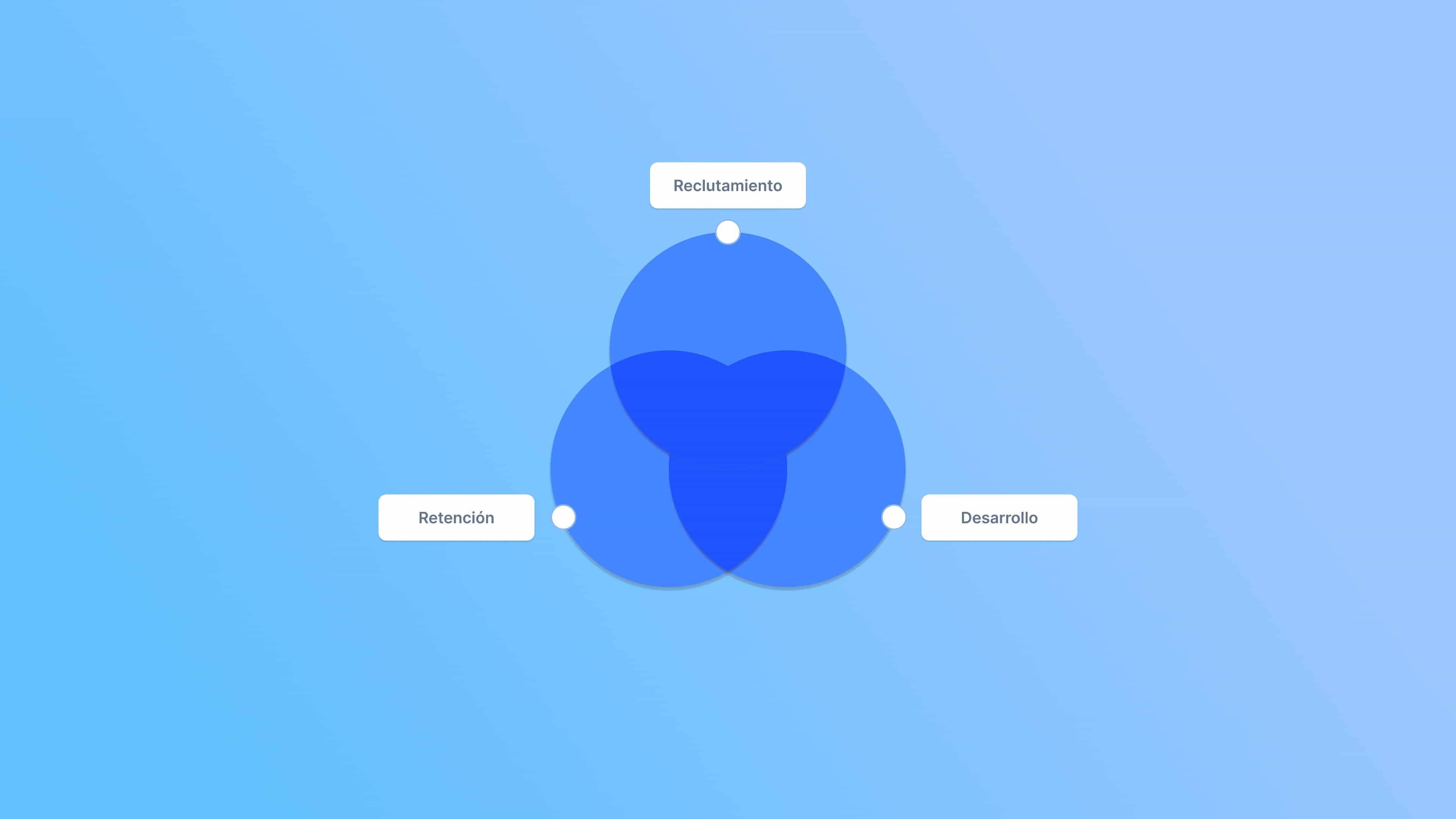
If you want to transform your organization's leadership with a practical approach — where emotional development goes hand-in-hand with business indicators — consider integrating solutions that combine training, follow-up, and metrics. Talent Booster is a solution designed by Fresh People for this purpose: it directly connects talent development and emotional leadership with key indicators and strategic objectives, allowing training initiatives to translate into real and measurable improvements in performance, retention, and climate. If your goal is for managers not just to "be more empathetic" but to achieve results, Talent Booster offers that operational bridge between emotional training and business.




























































































.svg)
.svg)
.svg)

