What is a Human Resources Business Partner (HRBP)?

The role of the Human Resources Business Partner (HRBP) has become indispensable for organizations looking to align their human resources strategy with their business objectives. At Fresh People, we understand the importance of this role and want to share with you how an HRBP can be the key to success in talent management.
What is a Human Resources Business Partner (HRBP)?
A Human Resources Business Partner (HRBP) is a human resources professional who works closely with an organization's leaders and managers to develop and implement HR strategies that support business objectives. Unlike traditional HR roles, HRBPs are more focused on strategy and less on administrative tasks.
Key Responsibilities of an HRBP (Human Resources Business Partner)
The role of an HRBP is multifaceted and can vary by organization, but some of the key responsibilities include:
1. Strategic Alignment
Working with business leaders to ensure that human resources strategies are aligned with business objectives. This involves deeply understanding the business, anticipating its needs, and developing action plans that integrate organizational goals with HR practices.
2. Talent Management
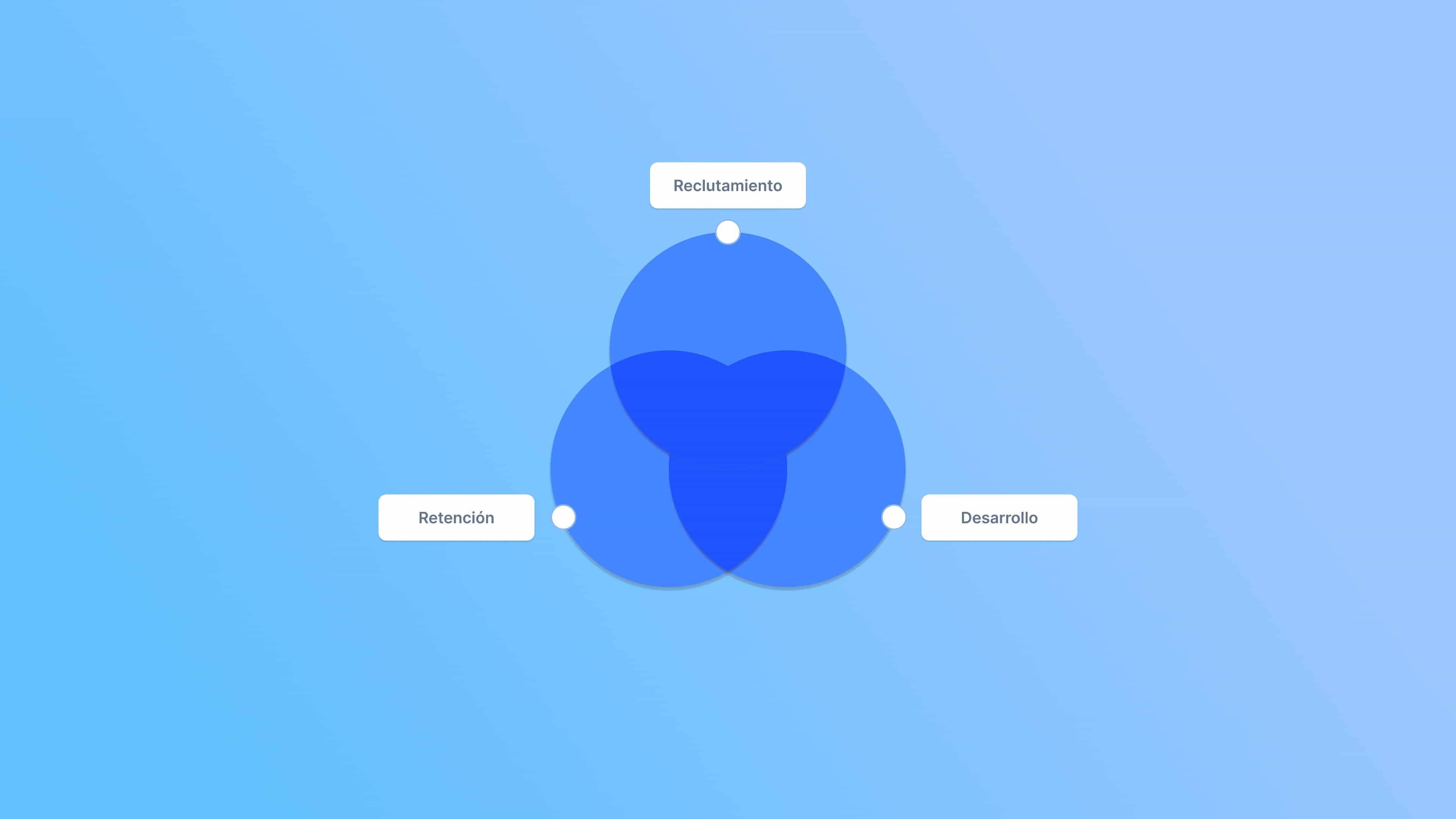
Developing and executing talent management programs, including recruitment, retention, skill development, and succession planning. This ranges from identifying the talent needed to meet business objectives to developing training and professional development programs that ensure employees can grow within the company.
3. Organizational Development
Implementing initiatives that improve organizational culture and increase team effectiveness. This includes designing programs that promote a positive work environment, facilitating workshops and training sessions, and continuously evaluating the organizational climate to ensure employees feel valued and motivated.
4. Conflict Resolution
Acting as a mediator in workplace conflicts and providing solutions to improve labor relations. HRBPs must possess exceptional communication and negotiation skills to effectively address and resolve conflicts, ensuring a harmonious and productive work environment.
5. Data Analysis
Using data and analytics to inform strategic decisions and measure the impact of HR initiatives. This involves using analytical tools to collect and evaluate data on employee performance, job satisfaction, turnover rates, and other key indicators, in order to make evidence-based decisions.

Benefits of Having an HRBP (Human Resources Business Partner)
1. Alignment with Business Objectives
An HRBP (Human Resources Business Partner) understands business objectives and challenges and can align human resources strategies to support these goals. This ensures that all talent initiatives are directly linked to business success, facilitating a coherent and strategic approach across all areas of the organization.
2. Improved Talent Management
By focusing on talent management, HRBPs can help identify and develop future leaders within the organization. This not only improves employee retention but also ensures that the company has a constant pipeline of talent ready to take on key roles. Talent development programs designed by HRBPs can include mentorship, coaching, personalized career plans, and continuous training opportunities.
3. Strong Organizational Culture
HRBPs play a crucial role in creating and maintaining a positive organizational culture. By working closely with leaders and employees, they can identify areas for improvement and develop programs to boost morale and team cohesion. A strong organizational culture not only attracts talent but also retains employees and increases productivity.
4. Efficient Conflict Resolution
An HRBP's (Human Resources Business Partner) ability to effectively manage conflicts can prevent larger issues and maintain a harmonious work environment. Their objective and mediating approach helps find solutions that satisfy all parties involved. HRBPs can also implement policies and procedures that minimize conflict occurrence and promote open, respectful communication.
5. Data-Driven Decision Making
By utilizing data and analytics, HRBPs can provide valuable insights into HR trends, program effectiveness, and areas needing attention. This enables more informed and strategic decision-making, continuously improving HR policies and practices. The use of key metrics and predictive analytics can anticipate problems and opportunities, allowing for a proactive response.
Conclusion
The role of the Human Resources Business Partner is essential for any organization looking to improve its talent management and align with its business objectives. At Fresh People, we are committed to providing HR solutions that drive your business's success. Contact us today to discover how we can help you achieve your goals.





























































































.svg)
.svg)
.svg)

